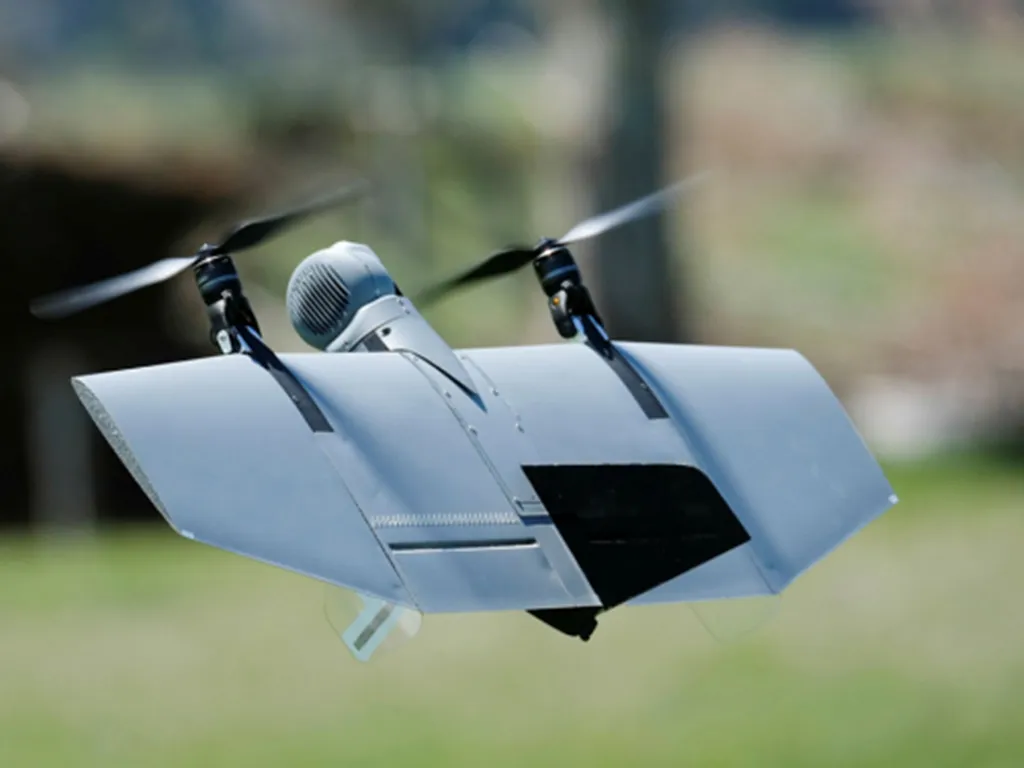
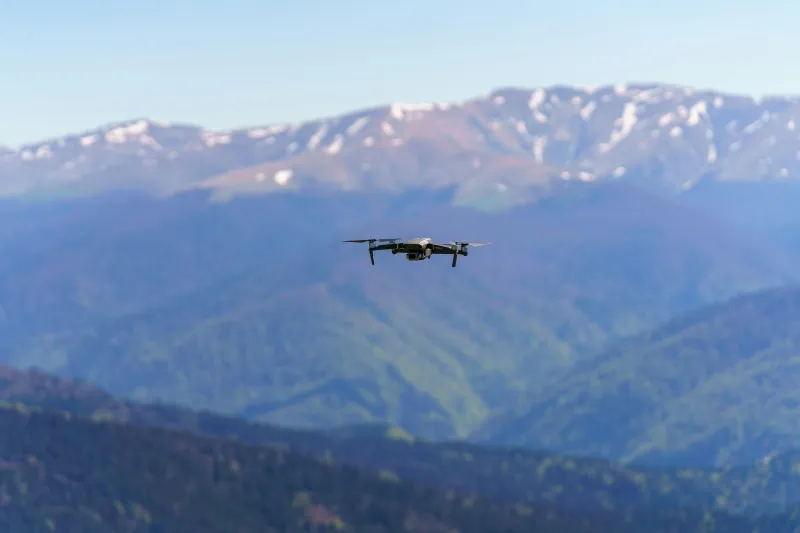
Mission success in denied or complex environments relies on multi-layered technological resilience. In GNSS-denied areas like tunnels or forests, single-point LiDAR provides a critical, stable altitude reference for UAVs, enabling stable low-altitude flight and safe landing by mitigating inertial sensor drift.
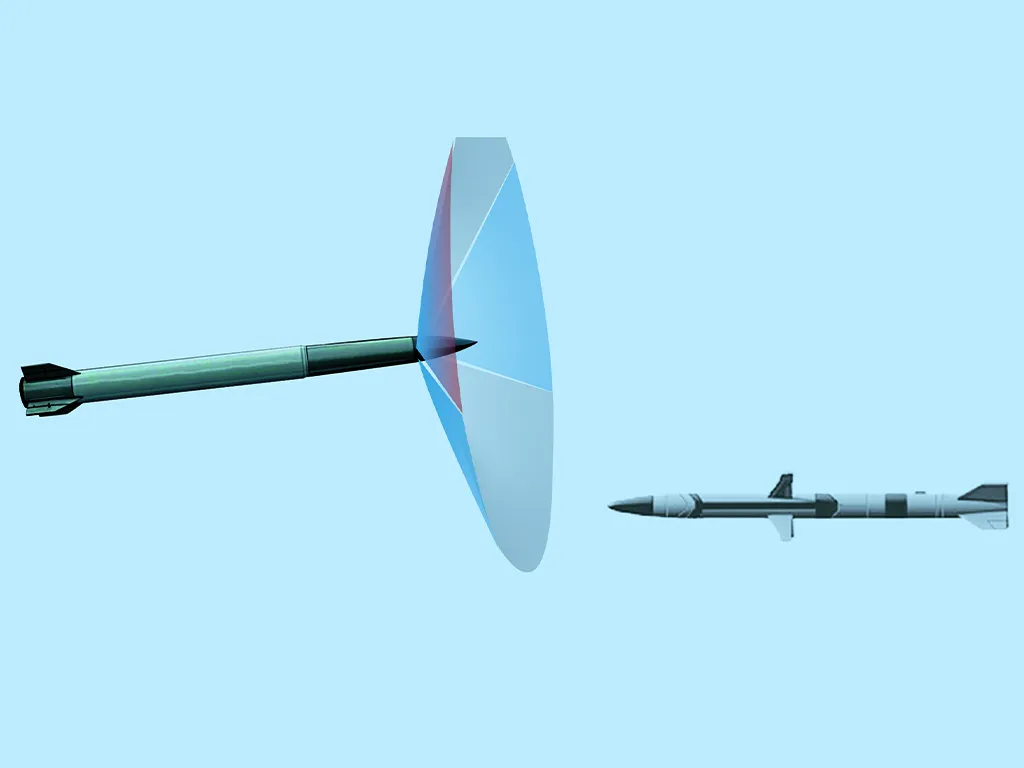
For engagement, high-frequency LiDAR fuzes ensure lethality through centimeter-precise burst control and superior electronic warfare resilience. Their narrow beam minimizes detection and jamming while enhancing target discrimination against clutter.
Furthermore, low-cost laser rangefinders act as force multipliers. Integrated into ISR systems, they enable rapid, high-precision target geolocation, shortening the sensor-to-shooter cycle. This combination of assured navigation, EW-resistant precision, and networked targeting ensures operational effectiveness across distributed platforms.
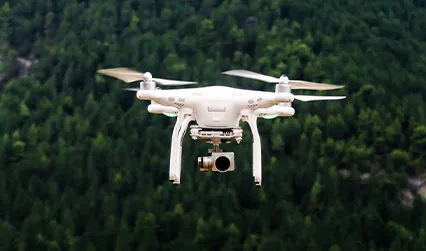
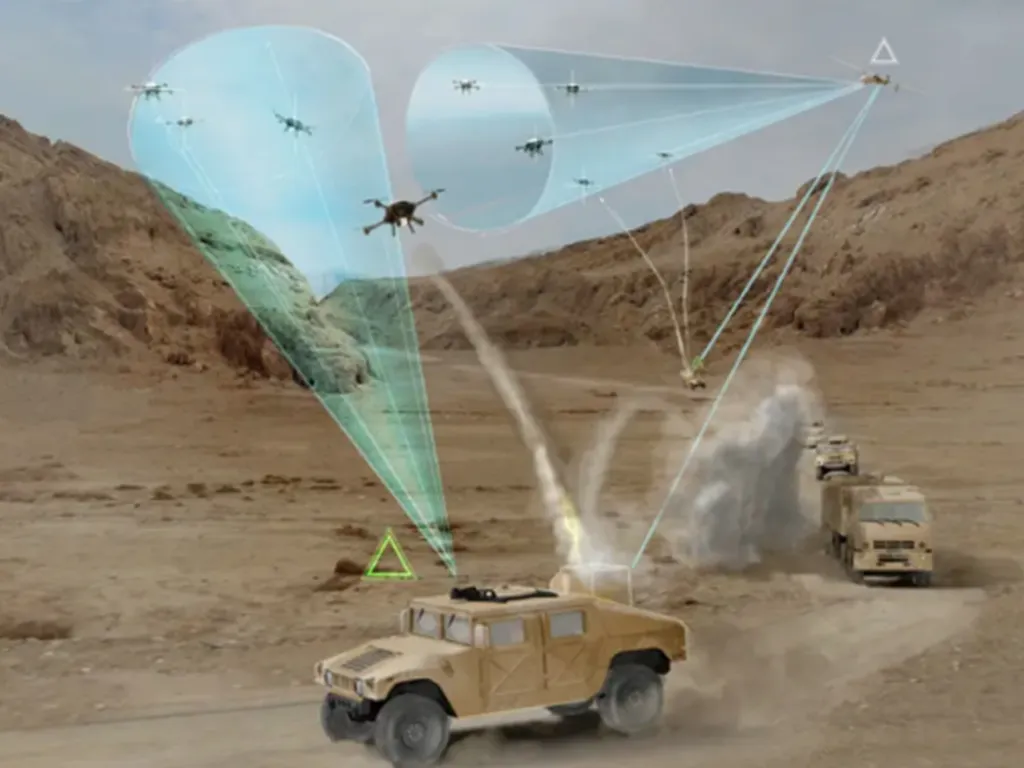
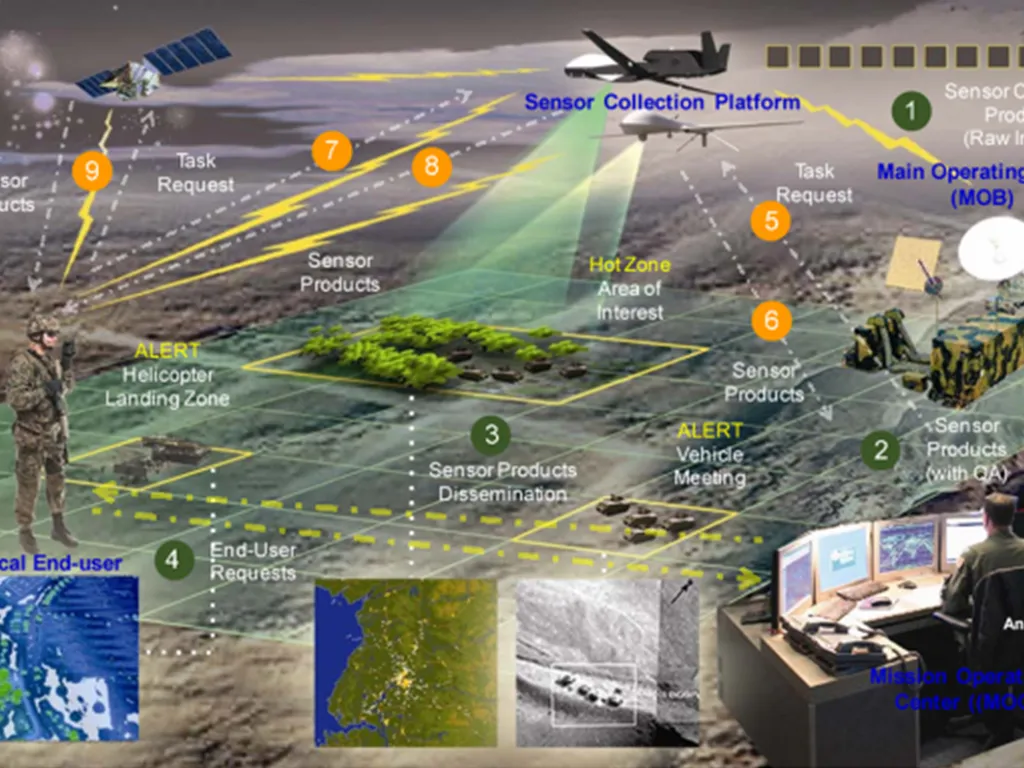
Airborne ISR platforms, such as UAVs equipped with gimbals featuring laser rangefinders (LRFs), precisely locate high-value targets. They generate accurate coordinates by fusing LRF slant-range data with their own GPS/INS position. This targeting data is then rapidly relayed to ground units, such as artillery batteries, enabling effective indirect fire or designating targets for other assets, dramatically shortening the sensor-to-shooter cycle.
In complex terrains where ground forces may face GPS denial, airborne units can provide critical navigation aid. UAVs using single-point LiDAR can map safe landing zones or create local terrain references. Simultaneously, by streaming video feeds overlaid with definitive range information from their LRFs, they provide ground commanders with enhanced situational awareness, allowing for better assessment of threat priority and target dynamics.
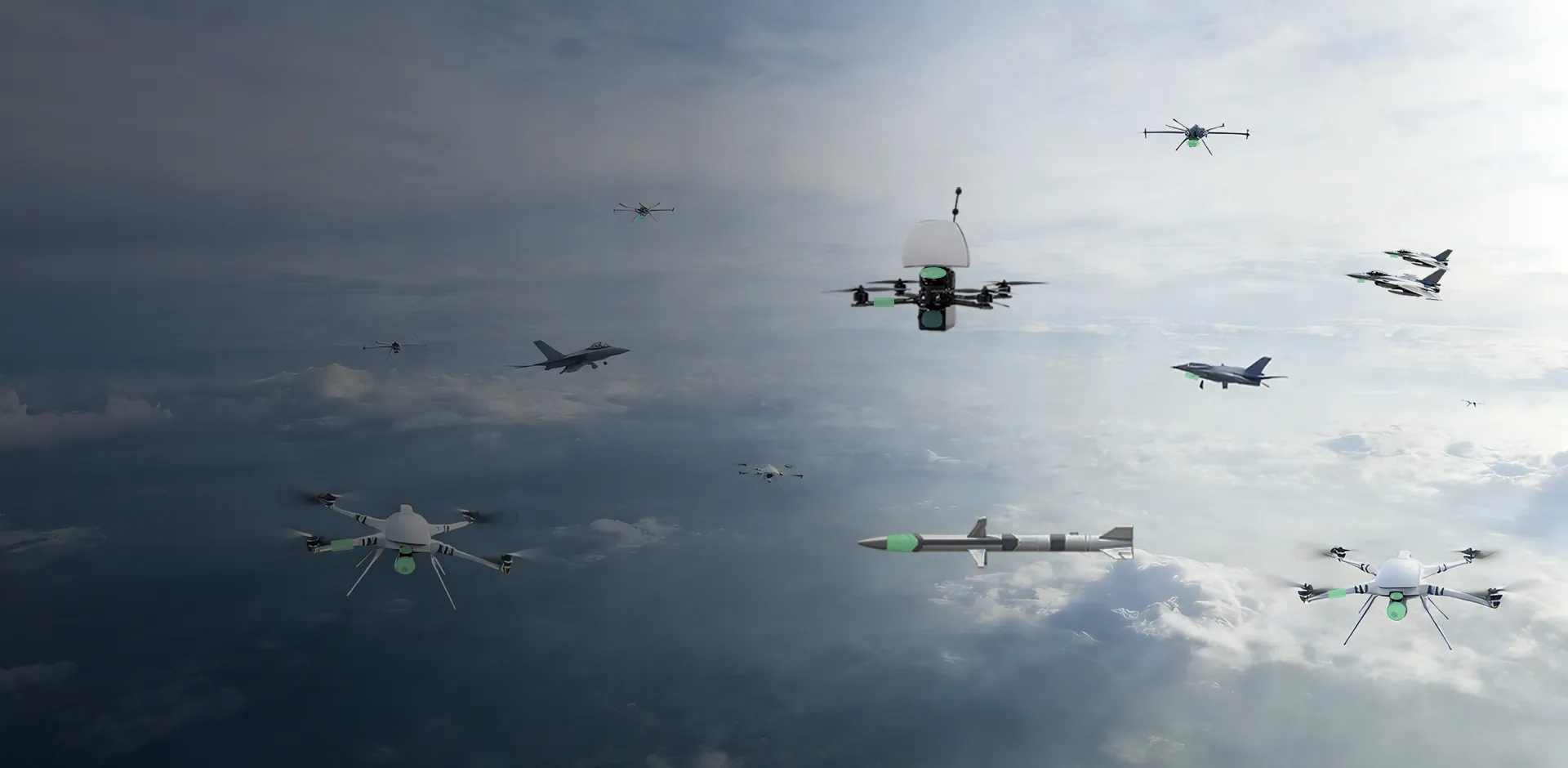
This collaboration is crucial for engaging time-sensitive or low-signature targets. Airborne sensors can provide final course corrections or terminal guidance for ground-launched munitions. Furthermore, LiDAR proximity fuzes in air-defense rounds or loitering munitions, with their high discrimination capability, can distinguish between low-friendly aircraft and actual threats in cluttered urban battlespaces, providing a protective umbrella for ground forces.