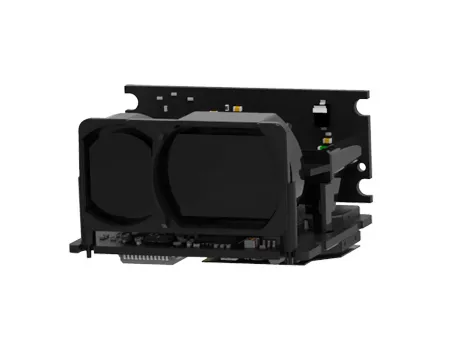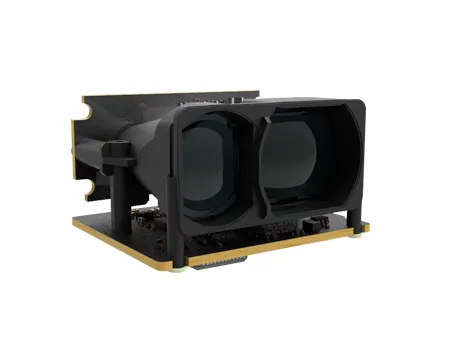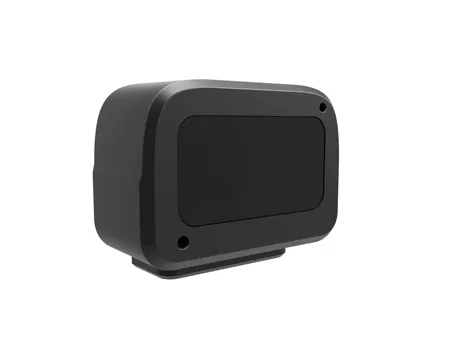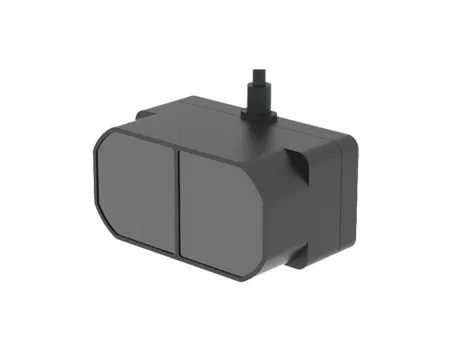
A laser proximity fuze is a specialized type of proximity fuze that employs laser-based sensing technology to measure the distance between the ammunition and the target. It emits laser beams and detects the reflected signals; once the reflected signal intensity or time-of-flight data matches the preset threshold (indicating the ammunition has entered the optimal kill zone), the fuze will trigger detonation automatically, without requiring direct contact with the target.
In recent times, first-person view (FPV) drones, suicide drones, and loitering munitions have been extensively deployed. These systems are characterized by high velocity, operational flexibility, and cost efficiency.
By contrast, conventional radar proximity fuzes exhibit significant limitations: insufficient precision, low operating frequencies, vulnerability to electromagnetic interference, high cost, large physical dimensions, and excessive power consumption. Such inherent drawbacks render them increasingly incapable of satisfying the demands of modern battlefields.
Laser-based proximity fuze solutions feature high precision and high operating frequencies, thereby facilitating accurate target engagement for these weapon systems.
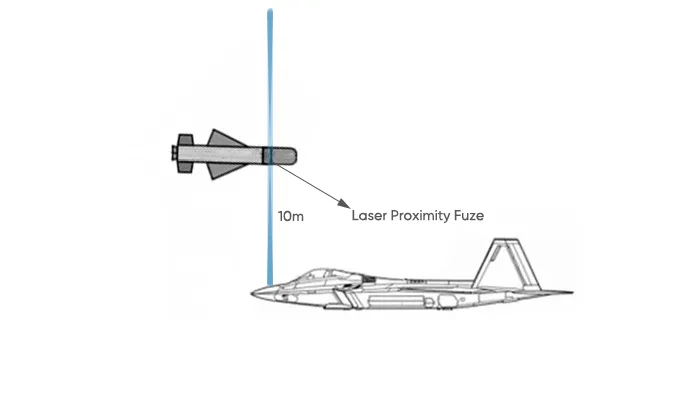
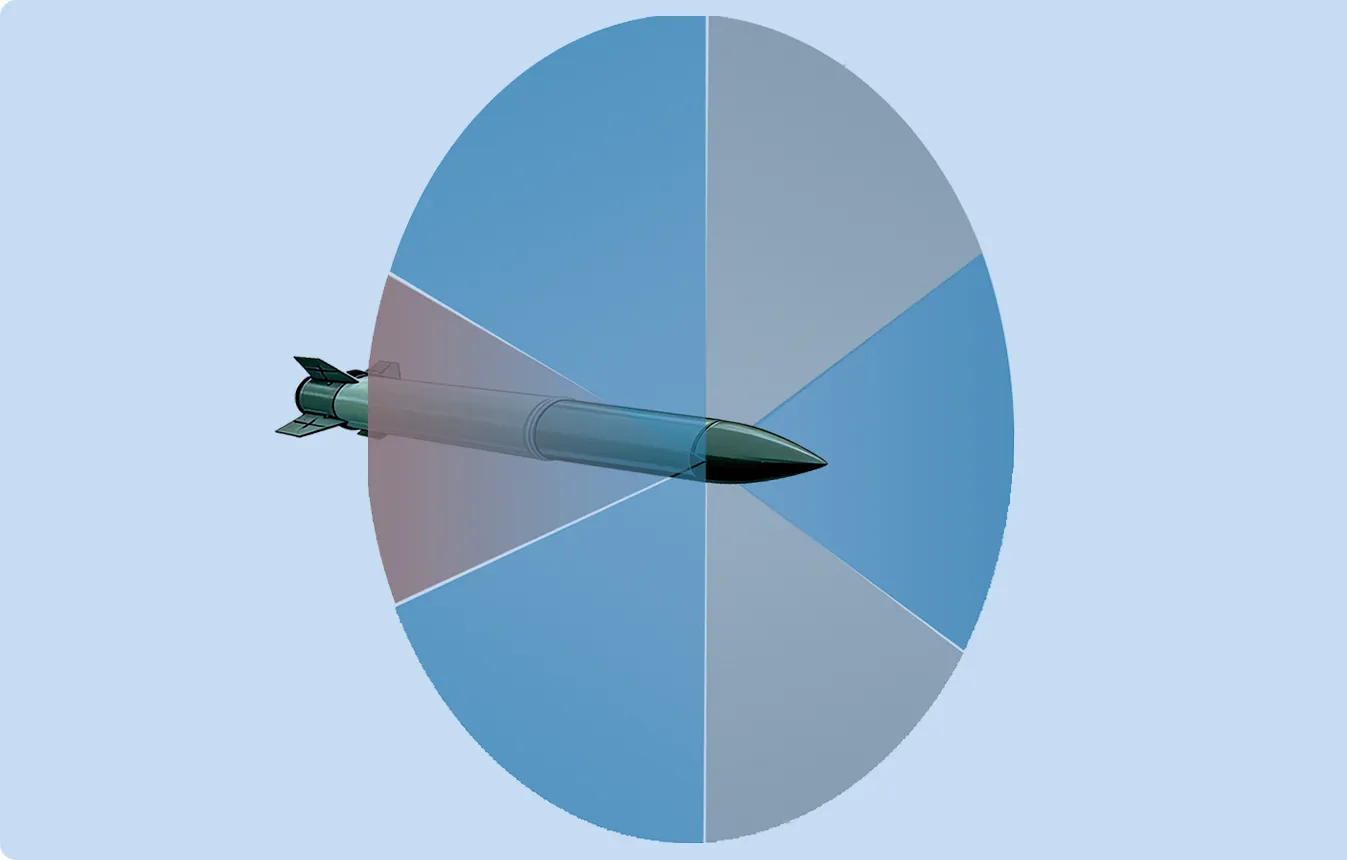
The laser proximity fuze detonates the warhead at the optimal distance from the target by detecting and calculating the range via laser echo. This precise distance control greatly enhances damage efficiency against aircraft, unmanned aerial vehicles, armored vehicles and battlefield positions. Widely used in air defense and air-to-air missiles, loitering munitions, guided rockets, artillery projectiles and special munitions, it features high precision and strong anti-interference ability, significantly improving the effectiveness of modern precision strike weapons.