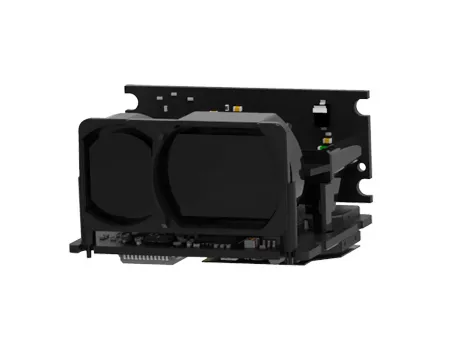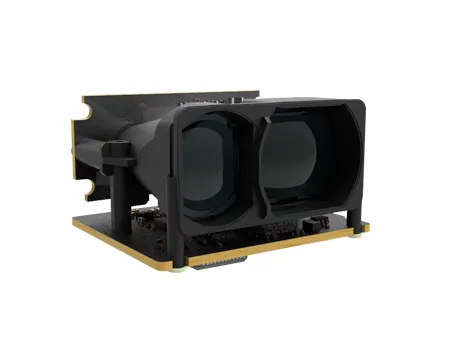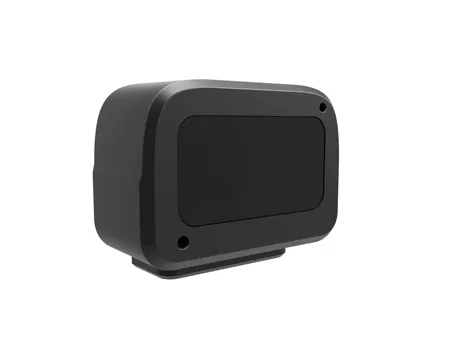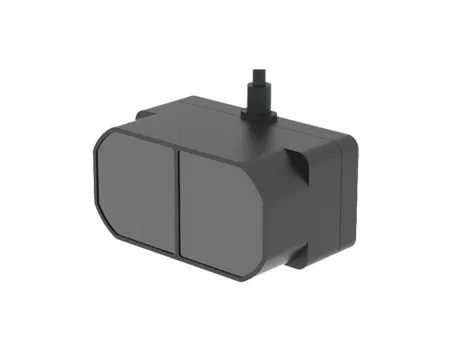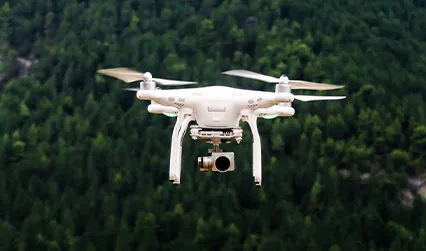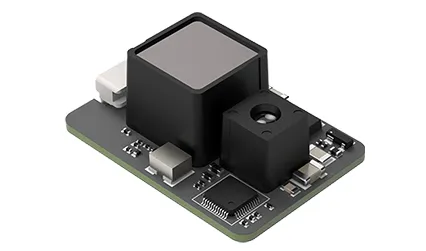
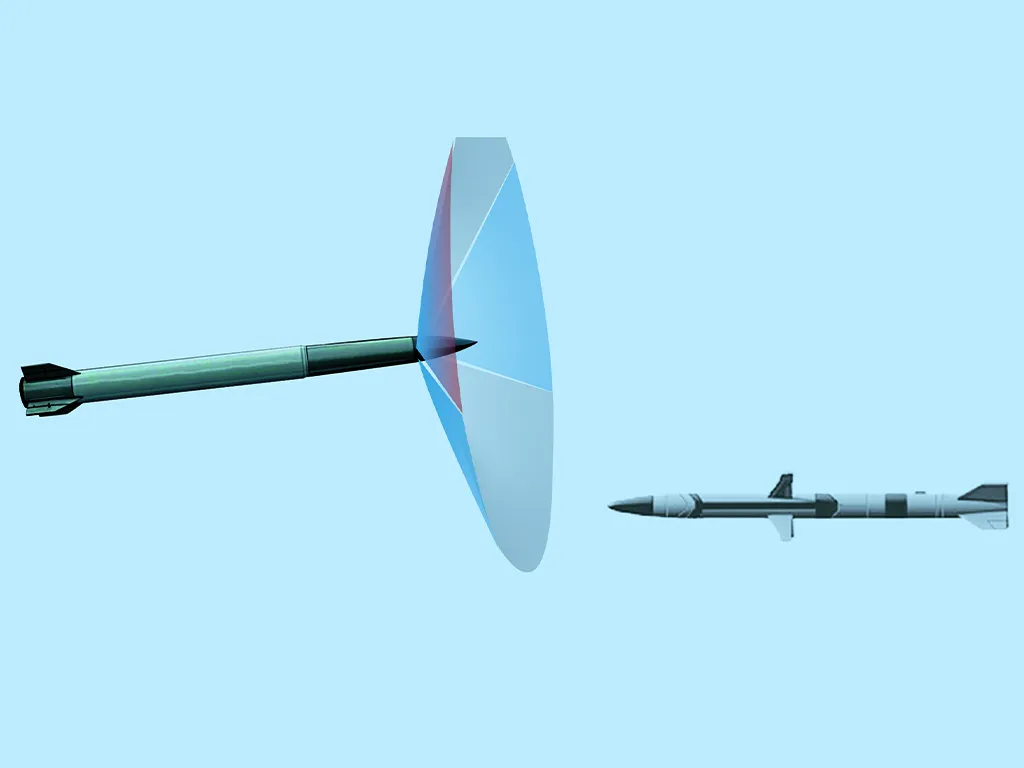
A proximity fuze is an electronic ignition device that detonates a warhead when it approaches a target, without direct contact. It typically uses sensors (e.g., radar, laser, or magnetic fields) to detect target proximity and triggers explosion at an optimal distance. Developed during World War II, it revolutionized anti-aircraft and artillery effectiveness by enabling airbursts, drastically reducing ammunition consumption while increasing lethality against aircraft, ground troops, and ships. In recent years, proximity fuses have also been widely used in suicide drones and loitering munitions.
Since the onset of the Russia-Ukraine war, First-Person View (FPV) drones, suicide drones, and loitering munitions have seen increasingly widespread deployment. These systems are characterized by their high speed, operational flexibility, and low cost. In contrast, traditional radar-based proximity fuzes suffer from several drawbacks, including limited precision, low operating frequencies, susceptibility to electromagnetic interference, high cost, large physical size, and significant power consumption. These inherent disadvantages make them increasingly inadequate for meeting the demands of the modern battlefield.
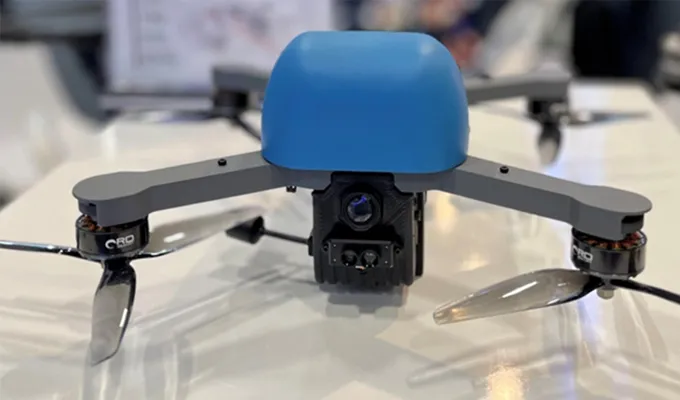
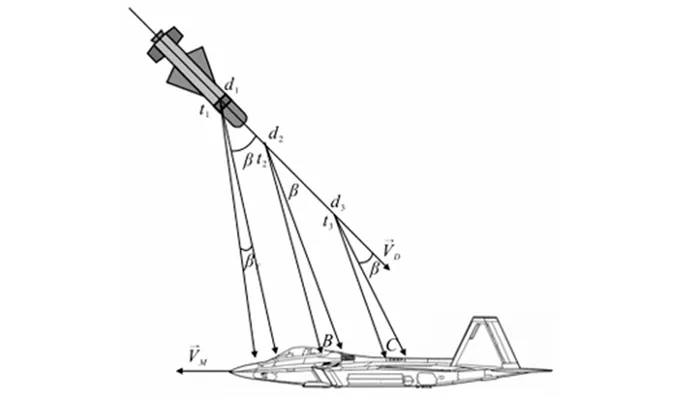
High-frequency single-point LiDAR proximity fuzes offer superior precision and robustness. Their key advantage is extremely accurate burst-point control. Utilizing Time-of-Flight measurement at upto 10,000 Hz frequencies, they achieve centimeter-level precision, enabling optimal warhead detonation for maximum lethality.
LiDAR fuzes offer superior performance in electronic warfare environments. Their extremely narrow laser beam divergence minimizes the risk of detection and jamming. This precise spatial resolution also enhances target discrimination, allowing the fuze to distinguish between actual targets and background clutter or decoys.
This combination of pinpoint accuracy, EW resilience, and precise target discrimination makes them ideal for engaging high-speed, low-signature targets in complex modern battlespaces.


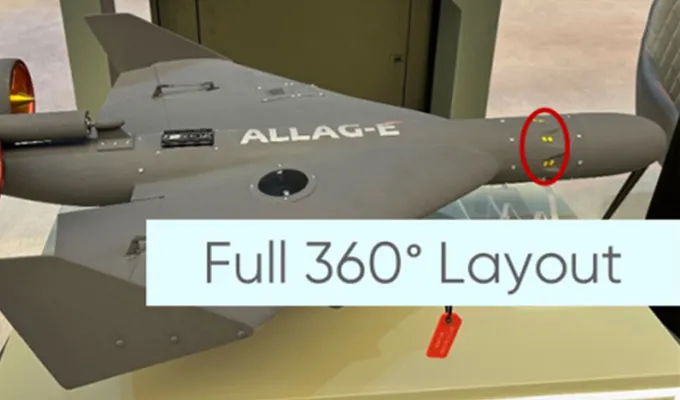
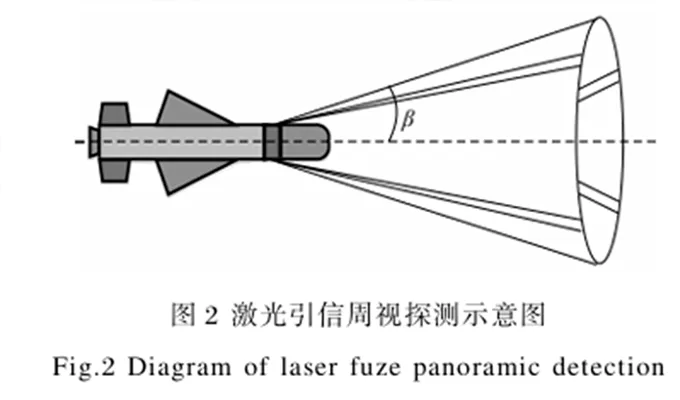
Core Advantages of High-Frequency 360° LiDAR Proximity Fuzes
A laser proximity fuze is a specialized type of proximity fuze that employs laser-based sensing technology to measure the distance between the ammunition and the target. It emits laser beams and detects the reflected signals; once the reflected signal intensity or time-of-flight data matches the preset threshold (indicating the ammunition has entered the optimal kill zone), the fuze will trigger detonation automatically, without requiring direct contact with the target.
The laser proximity fuze is characterized with compact &lightweight design, it reduce the weapon load and improving mobility and range.
With a ultra-high ranging &Detonation Precision, this device enables precise detonation control within the optimal kill zone to maximize warhead efficiency.
Also,Can distinguish between valid targets and background clutter (such as terrain, clouds) by analyzing the reflection characteristics of laser signals.